

Certified Pre-Owned F-150: What to Look For Before You Buy
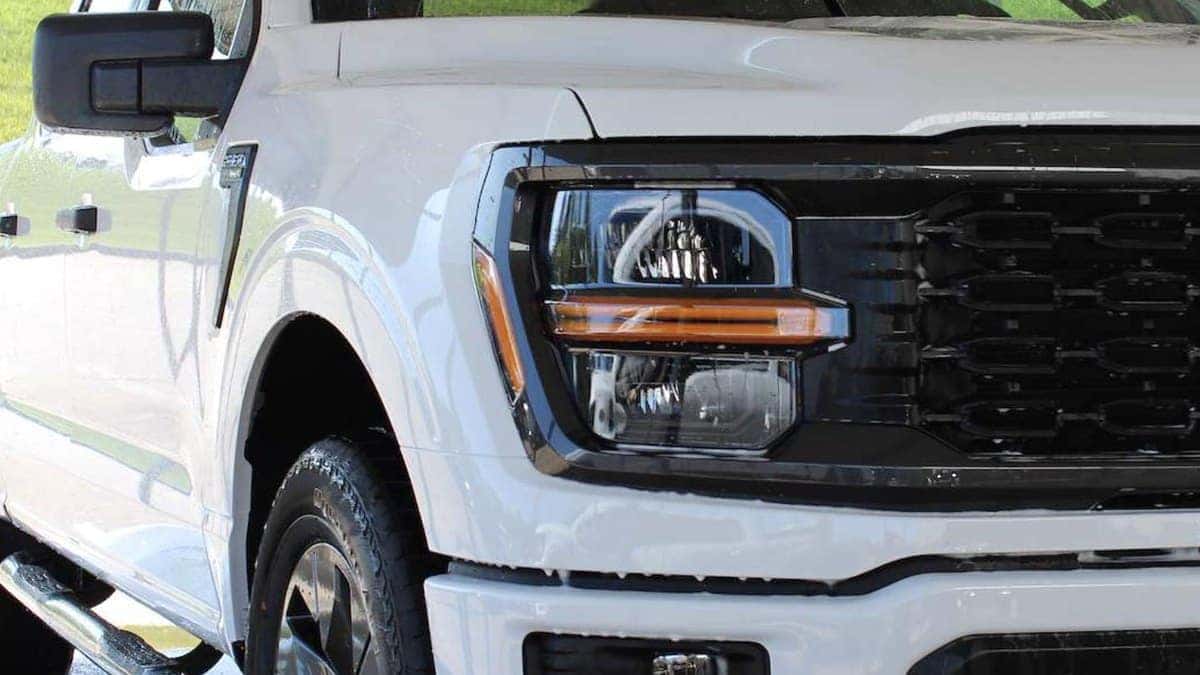
The F-150 is the truck most people in Lincoln Parish are looking for when they say “a good used truck,” and it is also the vehicle where the certified badge does the most work. A four-year-old F-150 has been somebody’s work truck, hunting truck or family hauler, and the difference between one that was cared for and one that was not is hidden where you cannot see it on the lot.
This guide is for the used-truck buyer. It covers which model years can qualify for Gold Certified, what Ford’s 172-point inspection checks on a pickup, how the trims and engines differ for a used buyer, and the questions I would ask before signing for any certified F-150, ours included.
On This Page
Which F-150 model years can be Gold Certified?
Gold Certified requires a Ford that is up to 6 years old with less than 80,000 miles. Blue Certified stretches to 10 years and less than 150,000 miles. So the rule of thumb is to count back six model years from the current year for Gold, and ten for Blue, then check the odometer.
That six-year window straddles two generations of the truck. The generation that ran from the 2015 through 2020 model years brought the aluminum body, and the current generation arrived for 2021 with the PowerBoost hybrid, SYNC 4 and a reworked interior, then got a refresh for 2024. A Gold Certified F-150 in 2026 is most likely a 2020 or newer truck, so you are choosing between the last of the previous generation and the first years of the current one. The current generation gets you the newer technology; the previous one is often the better value per dollar.
Mileage is the harder gate for a truck. An F-150 that does a Ruston-to-Monroe commute plus weekend work can pass 80,000 miles by its fourth year, which takes it out of Gold no matter how clean it is. That truck may be a Blue Certified candidate or a regular used vehicle, and it may still be the right truck for you. Just know which coverage you are looking at: on Blue there is no separate powertrain warranty, and on Gold the 7-year/100,000-mile powertrain coverage runs from the truck’s original in-service date. The certified pre-owned Ford overview puts all three tiers in one table.
What does the 172-point inspection mean on a truck?
On an F-150, the inspection is where the truck’s history shows up. The frame, bed, hitch, four-wheel-drive system, tires and brakes tell a technician how the truck lived before it reached us.
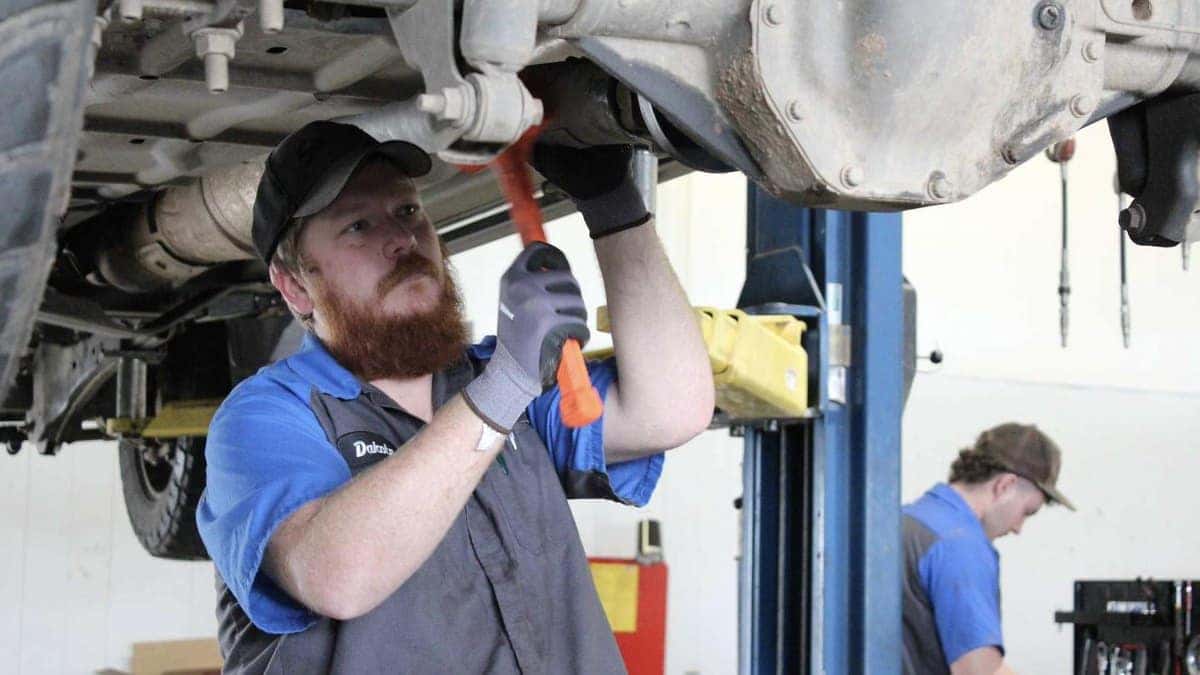
Frame and underbody. The F-150’s body panels are aluminum, so body rust is not the concern it once was, but the frame is steel and the truck sits on it. The technician looks for bends, repairs, heavy corrosion and signs of an accident the body panels might hide, with a close look at the rear frame rails on a truck that has spent time on boat ramps. Bed and tailgate. Dents, a torn bed liner, a tailgate that does not latch cleanly and damage to the bed floor are noted and either repaired or disclosed. Hitch and wiring. The receiver, trailer wiring connectors and the integrated trailer brake controller, if fitted, are checked because a truck that towed heavy has worn those parts. Four-wheel drive. On a 4×4, the system has to engage and disengage properly in each mode, and the transfer case and front axle are inspected for leaks.
Tires and brakes. Tires must meet Ford’s minimum tread depth and be a matching, appropriate set, which catches trucks that came in on mismatched or worn-out rubber. Brake pads and rotors have to have adequate life left. Anything below the line is replaced with the right parts before the truck can be certified, and you are welcome to see the completed inspection sheet on any certified F-150 on our lot in Ruston. Our certification process page explains the full sequence.
Which used F-150 trim should I look for?
Most used buyers in this market end up in an XLT or a Lariat: XLT is the volume trim with the equipment most people want, and Lariat is where leather, the larger screen and the comfort features come in. Here is the quick version of the lineup for a used buyer.
| Trim | What it is on a used lot |
|---|---|
| XL | The work truck. Vinyl or cloth, steel wheels, basic radio. Often a former fleet truck, so check the CARFAX for commercial use and expect higher miles for the age. |
| STX | An XL with an appearance package: body-color trim, alloy wheels and a better screen. Good value if you want the look without the Lariat price. |
| XLT | The most common trim on our lot and the easiest to live with. Cloth seats, power equipment, the mainstream tech. XLTs vary a lot by option package, so two XLTs can be equipped very differently. |
| Lariat | Leather, heated seats, the larger center screen and more driver-assist features. The sweet spot for a family truck that also works. |
| King Ranch | The western-themed luxury trim with distinctive saddle leather. Popular here and holds value well. Check the leather for sun fade and wear on the driver’s bolster. |
| Platinum | The high-end trim with the most equipment. Confirm every feature works, because there are a lot of them. |
| Tremor | The off-road package for the current generation, with a lift, all-terrain tires and off-road hardware. Inspect tires and underbody closely; it was built to be used off pavement and often was. |
| Raptor | The high-speed desert truck. Wide body, long-travel suspension, specialty tires. A used Raptor deserves the most careful inspection of any F-150, and it is not the truck to buy for towing. |
Cab matters as much as trim. SuperCrew has four full doors and a real back seat, and it is what most families and hunting groups want. SuperCab has smaller rear-hinged back doors and a tighter back seat, which suits a work truck or a couple. Regular Cab is rare on the used lot. Bed lengths vary by cab, so if you haul anything specific, measure it. For the trims as they are sold new, the 2026 F-150 overview covers the full current lineup.
Which F-150 engine makes sense on a used truck?
Four engines cover almost every F-150 you will see in the Gold window: the 2.7L EcoBoost V6, the 3.5L EcoBoost V6, the 5.0L V8 and, on the current generation, the 3.5L PowerBoost hybrid. Each one suits a different buyer, and none of them is a mistake if the truck was maintained.
2.7L EcoBoost. The small twin-turbo V6, and the one I point most everyday buyers toward. It is strong for its size, easy on fuel for a full-size truck, common on XLT and Lariat trucks, and tows a boat or utility trailer without complaint. 3.5L EcoBoost. The larger twin-turbo V6 and the engine on most heavy-towing configurations, including the Raptor in its own high-output form. If you plan to pull a big camper or an equipment trailer, this is the engine to look for, paired with the right towing package. 5.0L V8. The traditional choice: naturally aspirated, simple, with the sound many truck buyers want. Plenty of people in Lincoln Parish will not consider anything else, and its long production history is a comfort on a used truck. 3.5L PowerBoost hybrid. The current-generation hybrid, which pairs the 3.5L EcoBoost with an electric motor and can carry the Pro Power Onboard generator system. It is the one to look at if you want better fuel economy in town or the ability to run tools and camp equipment off the truck.
I have deliberately left out horsepower and towing numbers, because on a used truck they depend on the year, cab, drivetrain, axle ratio and which towing package the first owner ordered, and a headline figure will mislead you. Ask for the configuration’s tow rating on the specific truck. We will pull it from the door jamb label and Ford’s towing guide for that model year and walk through payload with your actual trailer weight.
How do I match a used F-150 to how I will use it?
Start from the job and work backward to the configuration, because the right used F-150 for a timber contractor, a deer hunter and a Louisiana Tech family are three different trucks.
Timber and rural work. Lincoln Parish is pine country, and a truck that runs logging roads out toward Dubach or Jonesboro needs four-wheel drive, a bed liner and tires with real sidewalls. Look at an XLT or STX 4×4 and check the underbody closely for rock damage. A 5.0L or 3.5L EcoBoost with a towing package handles a trailer of equipment. Hunting. A SuperCrew 4×4 with a bed cover keeps gear dry through deer season, and the back seat carries dogs or a second family. Check that the 4×4 engages, because a hunting truck is one that used it on wet lease roads. Louisiana Tech and Grambling State game days. A PowerBoost hybrid with Pro Power Onboard runs a television and a slow cooker at a tailgate without a generator. If that is the use, the current generation is worth the extra money. The commute and the family. A Lariat SuperCrew with the 2.7L EcoBoost is the most comfortable daily truck for the run to Monroe or West Monroe, with fuel economy that does not punish you for driving a full-size pickup.
Whatever the job, hurricane season is a consideration here. A truck that will carry the family north or west on short notice needs a healthy battery and sound tires, and those are things the certification inspection checks. If you are cross-shopping a new truck, the new F-150 inventory is a fair comparison point for price against a two- or three-year-old certified truck.
What should I ask before buying a certified F-150?
Ask for the in-service date, the completed inspection sheet, the CARFAX and the tow rating for that configuration. Then ask what was repaired to certify the truck, and ask to drive it in four-wheel drive.
- What is the original in-service date? The 7-year/100,000-mile Gold powertrain warranty runs from that date, so it tells you how much coverage is left.
- Can I see the inspection sheet? A certified truck has a completed 172-point sheet. Read it, and ask about anything marked.
- What was fixed to certify it? Tires, brakes and a windshield are routine. A frame or drivetrain repair deserves a longer conversation.
- What does the CARFAX show? Number of owners, commercial or fleet use, accident reports and service history.
- What is this truck’s tow rating and payload? From the door jamb label and Ford’s guide for that year, not from a brochure.
- Does the 4×4 engage in every mode? Ask to test it on the drive.
- Which warranty applies to this truck: Gold, Blue or regular used? They are different coverage, and the answer should be in writing before you sign.
We will answer all of them on any certified F-150 in Ruston, and for the coverage side of the list the Ford Blue Advantage warranty guide explains what each answer should look like.
Key Takeaways
- Gold Certified F-150s are up to 6 years old with less than 80,000 miles; Blue Certified reaches 10 years and 150,000 miles with a shorter warranty and no separate powertrain coverage.
- On a truck, the 172-point inspection is about the frame, bed, hitch, 4×4 engagement, tires and brakes. Ask to see the completed sheet.
- XLT and Lariat are the trims most used buyers want; SuperCrew is the cab most families and hunting groups need.
- The 2.7L EcoBoost suits everyday use, the 3.5L EcoBoost and 5.0L V8 suit towing, and the PowerBoost hybrid suits tailgates and job sites. Ask for the configuration’s tow rating rather than trusting a headline number.
- Get the in-service date before you talk price. It decides how much Gold powertrain coverage is actually left.
Frequently Asked Questions
My take on buying a certified F-150
The F-150 is the truck I would tell my own family to buy certified rather than as-is, and the reason is simple: a used half-ton around here has almost always been worked. It has towed, it has been down a lease road, it has sat in a Louisiana August with the A/C running. Most of that is fine, some of it is not, and the difference is under the truck.
The buyers I see do best decide what the truck is for before they decide which one they like. A hunter who buys a Raptor because it looks the part and then wants to pull a camper has bought the wrong truck. Match the truck to the job, then let the inspection sheet and the in-service date tell you whether that particular truck is the one.
When a certified F-150 is on our lot in Ruston, the inspection sheet and the warranty record are yours to read before we talk numbers. If the one you want is not here yet, tell us what it is.
Trim and engine details vary by model year and option package; towing and payload figures are specific to each truck and must be confirmed on its door jamb label. This guide sits inside our full certified pre-owned Ford overview for Ruston, which explains the Gold, Blue and EV Certified tiers side by side.
About the Author
Sarah Pesek
Sarah Pesek is the Director of Sales and Marketing for Jim Taylor Auto Group, which includes Jim Taylor Chevrolet in Rayville, Jim Taylor Buick GMC in Monroe, and Jim Taylor Ford in Ruston, Louisiana. She covers Ford vehicles, trim comparisons, and buyer guidance — helping families, farmers, hunters, and working professionals across North Louisiana find the right vehicle and configuration for their needs. Learn more about Sarah.
0 comment(s) so far on Certified Pre-Owned F-150: What to Look For Before You Buy